Black Mold Removal for Homes in Philadelphia
Request an estimate from a local provider
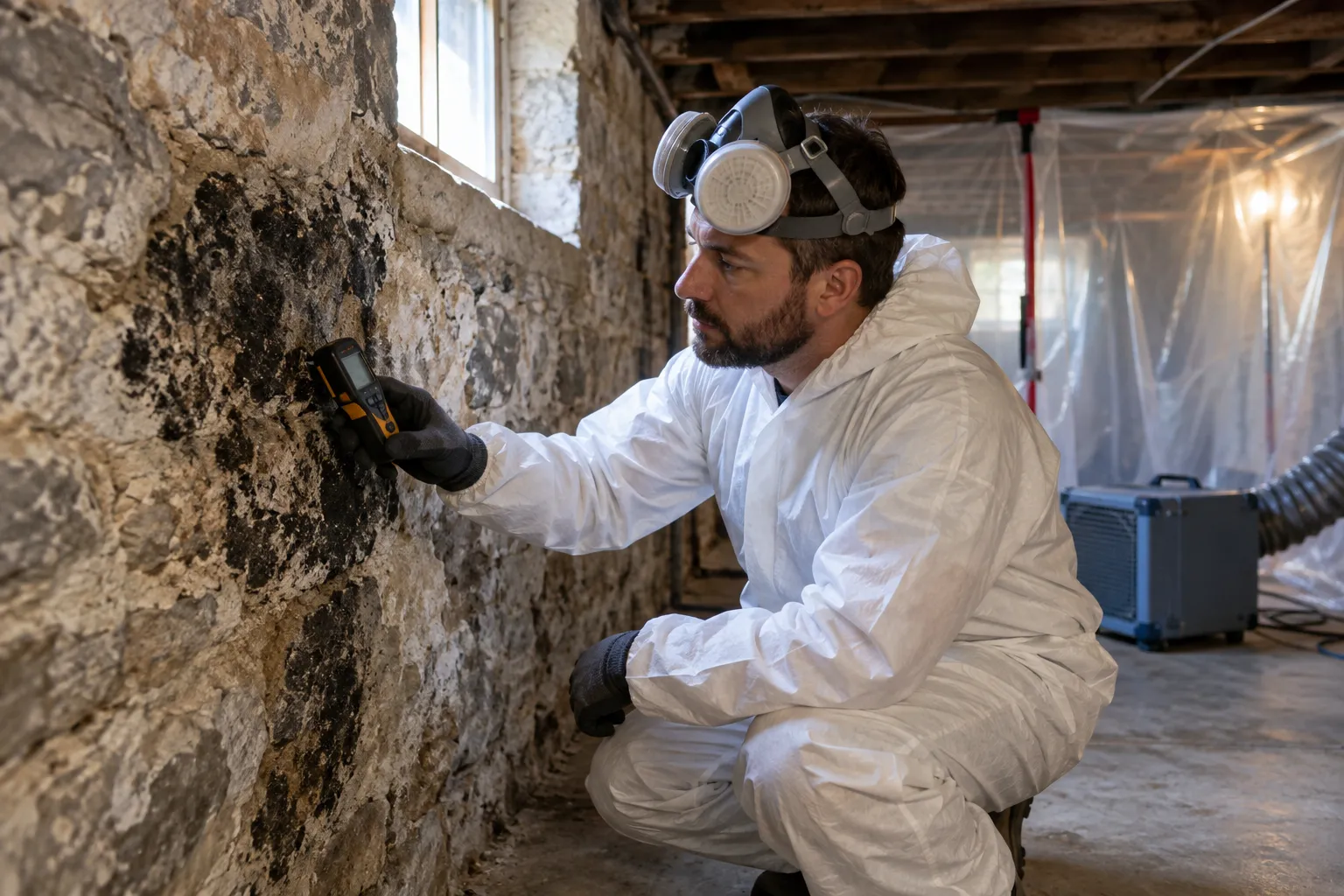
Black mold looks scary, and it should get respect. It shows up as dark green or black patches on drywall, wood, grout and basement block. Before you grab a scrub brush, stop. Rubbing it can throw spores into the air and spread the problem to clean rooms.
Leastonto Mold Help is a referral service. We do not do the work ourselves. We help you sort what a handy person can safely do, like fixing a leak and drying the area, from what needs pro gear. Then we connect you with independent providers in our network across the Philadelphia area. They inspect, contain the area, remove the growth and help you check that it is gone.
Found Black Mold? Stop and Look First
Take a breath. Dark growth on a wall is a problem, but it is not a reason to panic. Stand back and note where it is, how big it looks, and whether anything nearby is wet. Snap a few photos. That is the whole job for now.
Hands Off: No Scrubbing, Sweeping or Fans
The urge to attack it is strong. Resist. Dry brushing, sanding and blowing a fan across it all kick spores into the air. Shut the door to the room, turn off any fan or HVAC vent that pulls air through, and keep kids and pets out.
What People Mean by "Black Mold"
Most dark mold is not one special kind. Color alone cannot tell you the species. Some dark molds are common and some are harder on sensitive people. Either way, dark growth that keeps coming back means moisture is sitting there. Testing by a provider can tell you more than your eyes can.
Where It Hides in Older Homes
Older houses give mold plenty of places to settle. Check these spots with a flashlight:
- Stone and block basement walls, low down near the floor
- Wood sills and rim joists where the foundation meets the frame
- Behind paneling and under old carpet in a cellar
- Attic roof boards, especially near bath fan vents
- Cape Cod knee walls and tight crawl spaces
- Shared walls and ceilings in multi-family buildings
Fix the Water First
Mold is a symptom. Water is the cause. A dripping pipe, a clogged gutter, a window leak or a damp foundation will bring the growth right back after any cleanup. Handy people can often fix the small stuff: clear gutters, extend downspouts, patch a drip, run a dehumidifier. If you cannot find the source, a provider can help trace it.
Know Where to Stop
A small spot on a hard, sealed surface may be a DIY job with gloves, goggles and a good mask. But stop and call a pro when you see any of these:
- Growth bigger than roughly a large door panel
- Mold on drywall, insulation, or wood that feels soft
- A musty smell with no visible source
- Anyone in the home with asthma, allergies or a weak immune system
- Growth after a flood or sewage backup
Why Bleach Usually Falls Short
Bleach can lighten a stain on a hard surface. On porous materials like drywall and wood, it mostly stays on top while roots run deeper. The water in it can even feed the growth. The stain looks gone for a week, then returns. Pros use HEPA vacuums, specialty cleaners and material removal instead.
How a Provider Removes It
The steps vary by job, but a typical visit goes like this. The provider seals the work area with plastic sheeting. They run air scrubbers with HEPA filters and keep the space under negative pressure so spores stay put. Damaged drywall or insulation comes out in sealed bags. Surfaces that can be saved get HEPA vacuuming and cleaning. Then the area dries fully before anything is rebuilt.
How the Seasons Change the Plan
Cold, snowy winters mean closed-up houses and condensation on cold walls. Spring snowmelt pushes water against foundations. Coastal storms can drive rain into walls and cellars. Summer humidity keeps damp basements damp. Try to schedule work before the wet season starts, and run a dehumidifier whenever the air feels thick.
What About Your Belongings?
Hard items like glass, metal and plastic can usually be wiped and cleaned. Soft items such as couches, mattresses and cardboard boxes are harder. If they sat near heavy growth, a provider may suggest tossing them. Move items out only after the provider says it is safe, so you do not carry spores into other rooms.
Dry It, Then Decide
Once the leak is fixed and the area is dry, you can judge the real size of the job. Many providers can respond quickly, and some can test the air or surfaces to confirm what you have. Ask what the testing will show and who pays for a re-check. Some policies may cover sudden damage, so check your policy and keep your photos.
Questions to Ask Before You Hire
A good provider answers plainly. Ask these:
- Will you find and explain the moisture source?
- How will you contain the work area?
- Is the quote in writing, with the scope listed?
- Will you do a check after the work is done?
- What do you need from me before you arrive?
Keeping It From Coming Back
After removal, keep indoor humidity under about 50 percent. Use bath and kitchen fans. Seal gaps where cold air meets warm, damp air. Check your basement walls each spring and fall. A quick look with a flashlight takes five minutes and can save you a big repair later.
What's Included
Containment of the Work Area
Plastic barriers and filtered air keep spores from drifting into the rest of your home.
Removal of Damaged Materials
Wet drywall, insulation and soft wood that cannot be cleaned are cut out and bagged.
HEPA Cleaning
Hard surfaces get HEPA vacuuming and wiping to pick up spores left behind.
Drying and Checks
Providers dry the space and may test again to confirm the work did the job.
What Black Mold Removal Typically Costs
Prices depend on the size, the materials and how easy the area is to reach. These are typical U.S. ranges only, so always ask for a written quote before work begins.
| Item | Typical range | Notes |
|---|---|---|
| Small area, one wall or section | $500 – $1,500 | Hard surfaces, easy access |
| Moderate area, one or two rooms | $1,500 – $4,000 | Often includes drywall removal |
| Large or whole-basement job | $4,000 – $10,000+ | More containment and drying time |
| Mold inspection and testing | $300 – $1,000 | Varies with the number of samples |
| Drywall or insulation replacement | $1,000 – $3,000 | Rebuild is often priced separately |
| Moisture or leak repair | $200 – $2,500 | Depends on the source and access |
How It Works
Tell Us About It
Share where the mold is, how big it looks and whether you have found any leaks.
Get Matched Locally
We connect you with an independent provider in our network who serves your area.
Review the Written Plan
The provider inspects, explains the cause and gives you a written quote to review.
Removal and Final Check
The provider contains, removes and dries the area, then confirms it is clear.
Why Call Leastonto Mold Help
Fewer Guesses, Faster Start
We help sort DIY tasks from pro jobs so you know your next step.
Independent Providers
Local providers in our network handle the inspection, testing and removal work.
Plain Advice
You get simple, honest guidance about safety, water sources and when to stop.
Written Quotes
Ask providers for a quote in writing so the scope and price are clear.
Other Services
Need black mold removal in Philadelphia?
- Find the water source before anything else
- Inspection and testing options
- Black mold concerns
- No-obligation estimates
Black Mold Removal FAQ
Can I remove black mold myself?
A small spot on a hard, sealed surface may be a DIY job with gloves, goggles and a proper mask. Larger areas, soft materials or anyone with breathing issues in the home call for a provider.
Is black mold dangerous to live with?
Mold can irritate eyes, skin and lungs, especially for kids, older adults and people with asthma. Color alone does not tell you the risk, so have a provider look at it and fix the moisture.
Does homeowners insurance cover black mold removal?
Some policies may cover mold that follows sudden damage, like a burst pipe. Slow leaks are often excluded. Check your policy, and ask a provider to help document the damage for a claim.
Get in touch
Questions about a musty smell, a dark patch or a test result? Reach out and we will connect you with a local provider in our network. No obligation.
No obligation