Mold Remediation in Philadelphia: Know What to DIY
Spotted mold or smelled that musty odor? Leastonto Mold Help connects you with local providers in our network and helps you decide what you can handle and what needs a pro.
- Find the water source before anything else
- Inspection and testing options
- Black mold concerns
- No-obligation estimates
Three Services
Most homes need one of three things: cleanup of an active problem, careful handling of dark growth, or answers about what is in the air and on the walls. Pick the one closest to your situation, and a provider can adjust from there.
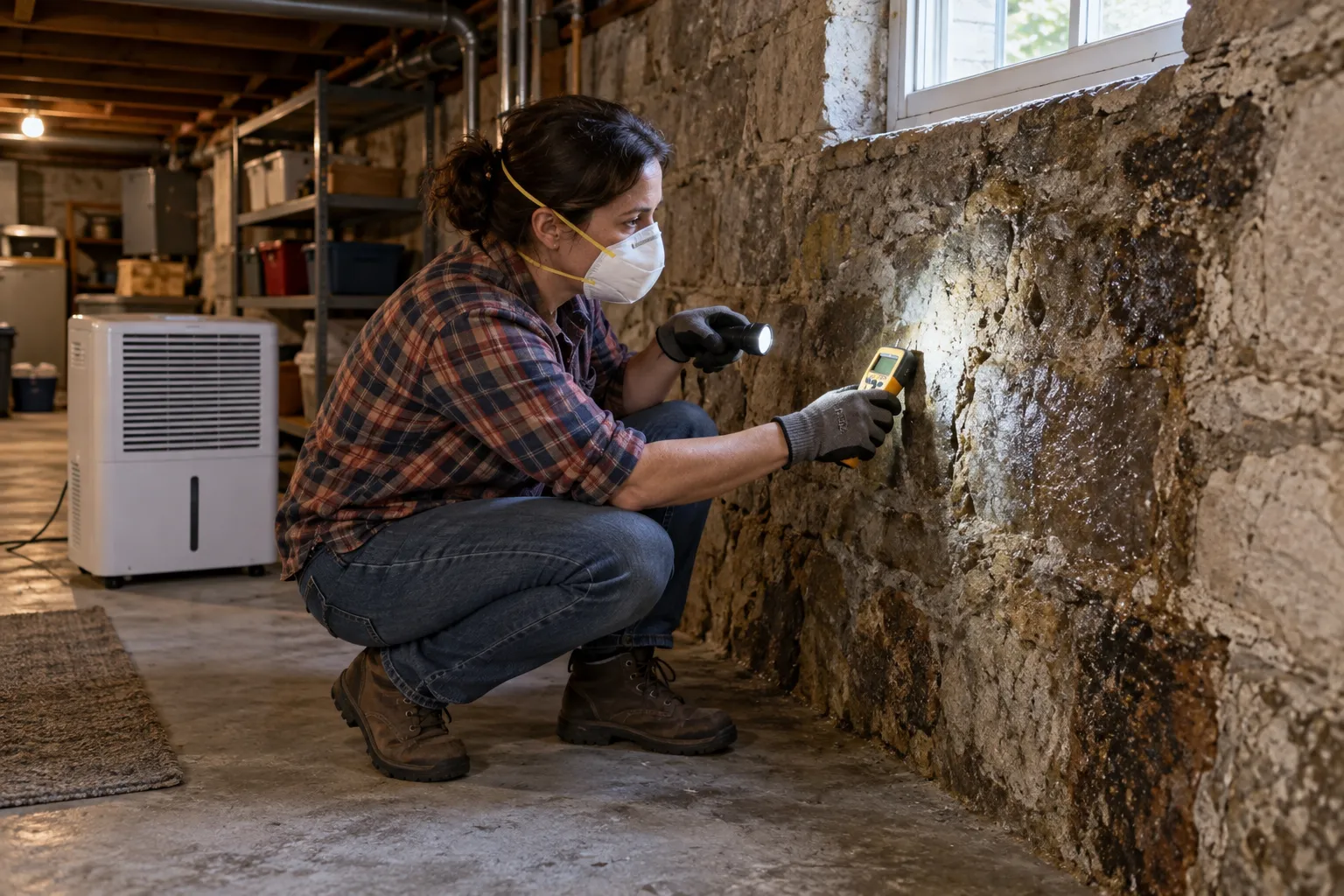
 Mold RemediationFound mold at home? Learn what you can safely do yourself and when a local provider should take over.
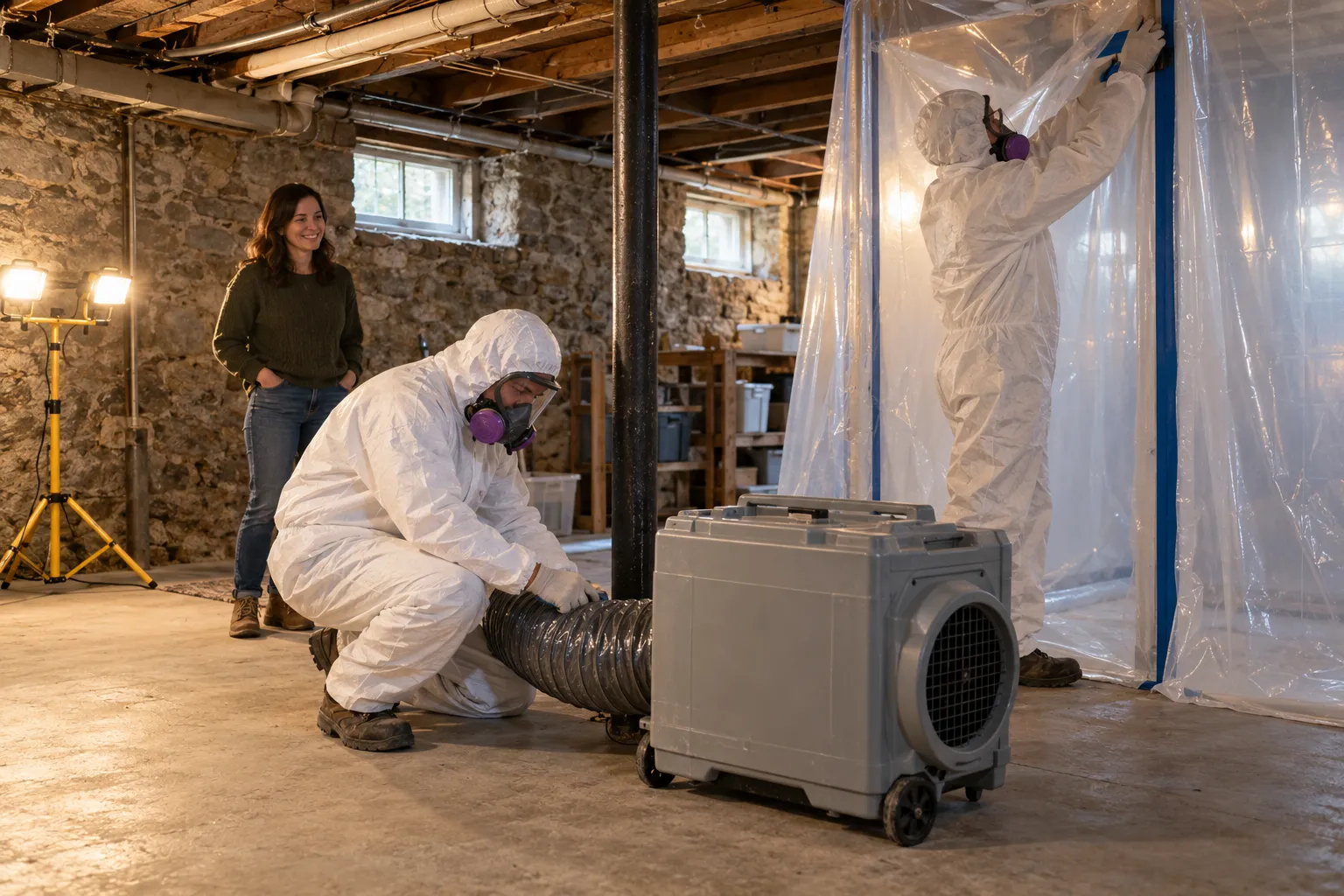
 Black Mold RemovalDark mold needs a calm plan: keep your hands off it, find the water, and bring in a pro.
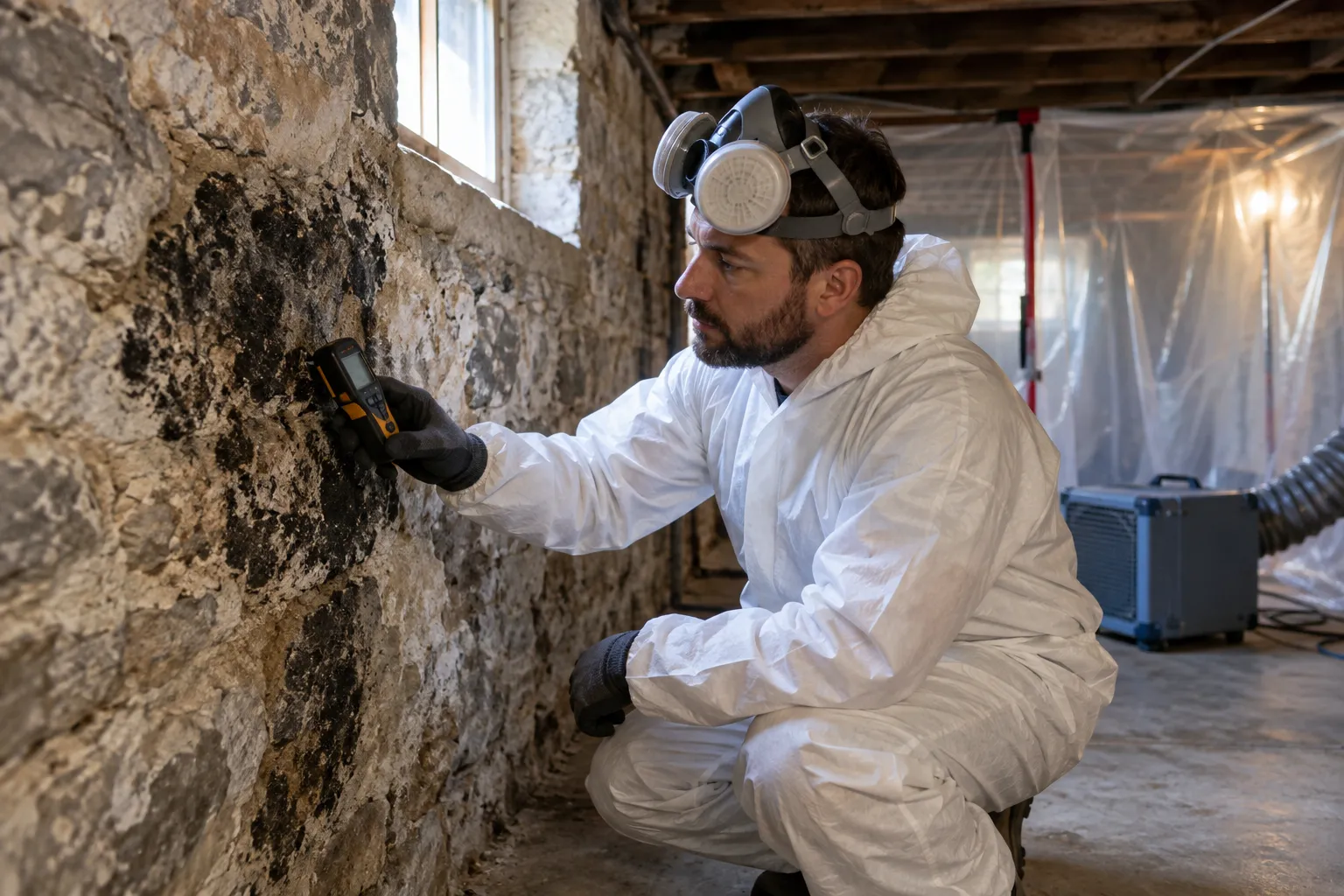
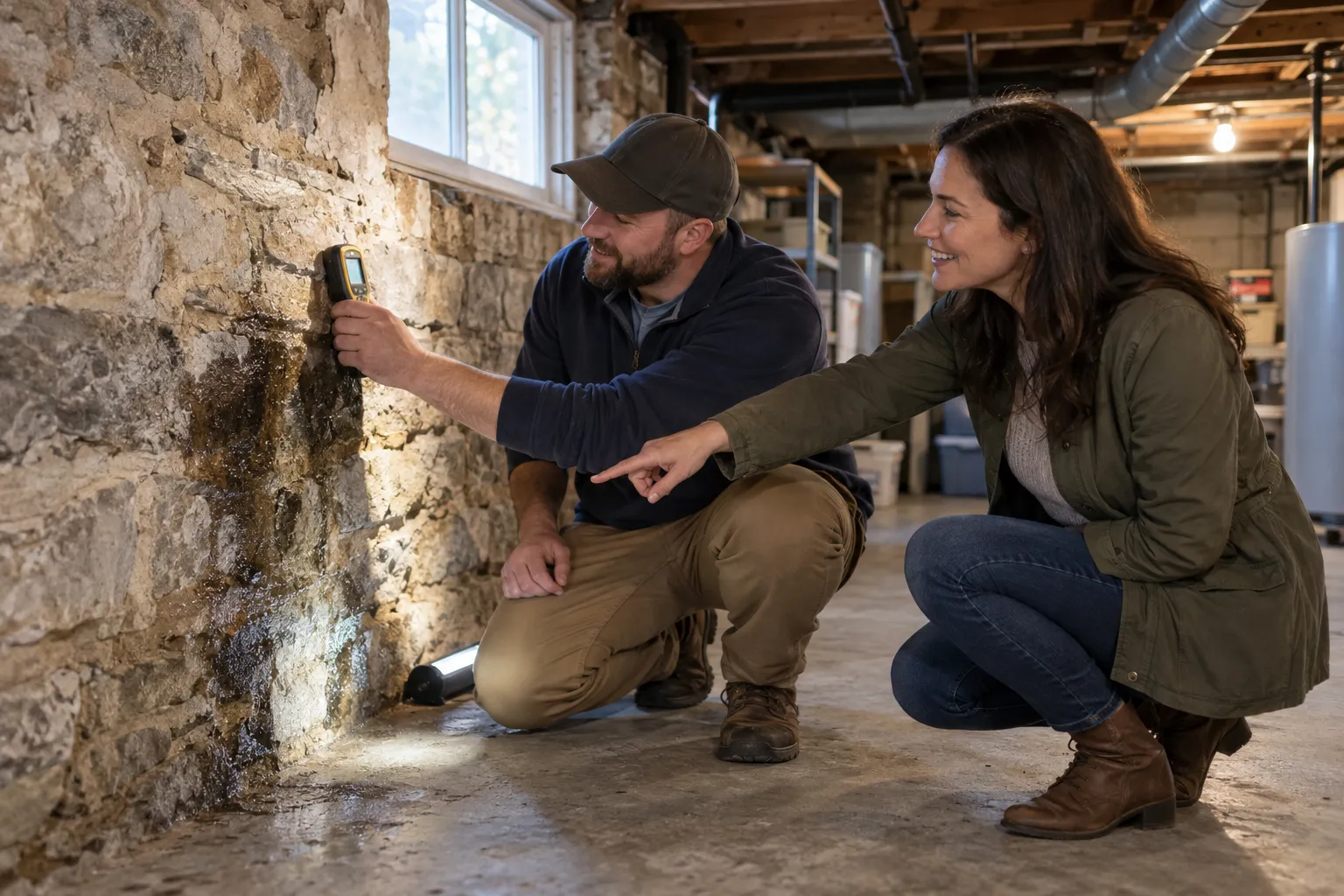 Mold Inspection & Testing ServicesSpot a musty smell or dark patch? A local provider can confirm what it is and where it started.
Leastonto Mold Help Is Proud To Serve the Philadelphia area
Need help in Philadelphia?
- Find the water source before anything else
- Inspection and testing options
- Black mold concerns
- No-obligation estimates
Why Choose Leastonto Mold Help?
We connect homeowners with independent local mold providers, and help you tell what to DIY from what to hand off.
Document What You See
Take photos, note the location, and keep the room closed. Do not disturb or dry-scrub the mold.
Request an Estimate
Tell us about the spot and your home. We point you to a local provider.
Provider Inspects the Home
The provider checks the damage, finds the moisture, and gives you a written quote.
Work and Final Check
Containment, removal, and drying happen, then the area is checked before repairs.
Mold Questions Homeowners Ask
Can I remove mold myself?
Often, yes, if it is a small patch on a hard surface like tile or sealed wood. Fix the leak, wear an N95 mask, gloves and goggles, scrub with detergent and water, and dry fully. Larger areas, drywall and black mold call for a professional.
How do I know if it is black mold?
You cannot tell by color alone. Many molds look dark. Testing by a qualified provider is the only reliable way to identify it. If you suspect black mold, do not scrub or sand it. Keep the area closed and request an estimate.
How much does mold remediation cost?
Typical U.S. ranges vary a lot by job. Inspection and testing often run a few hundred dollars. Remediation can range from about a thousand to several thousand, or more for big areas. Get a written quote from the provider before work starts.
Is mold inspection near me worth it?
If you smell mold but cannot see it, or after a flood, yes. An inspection can find hidden moisture and show how far the problem has spread. Ask about certified mold testing and the lab used.
Does homeowners insurance cover mold cleanup?
It depends on your policy. Some policies may cover mold that follows sudden damage, like a burst pipe, but often not slow leaks. Check your policy, and providers can often help document the damage for a claim.
Found Mold? Start Here, Not Panicked
Found a fuzzy patch on a basement wall? Smelled something musty near the water heater? Take a breath. Mold is common in homes, and most cases have a clear path forward.
Leastonto Mold Help is a referral service. It does not do the cleanup itself. It connects homeowners in Philadelphia and the Philadelphia area with independent local providers who handle mold inspection, testing and removal.
Here is the simple rule we like. If the spot is small, dry and on a hard surface, you can often handle it. If it is large, keeps coming back, smells strong, or sits inside a wall, stop and bring in a pro. Containment barriers, air scrubbers and moisture meters do what a spray bottle cannot.
Not sure which side of the line you are on? That is a normal question. A provider can look at the space, explain what they see and give you a written quote.
Request a callback to check provider availability and talk through what you are seeing.
Prefer to write it down first? Use the request form instead. There is no obligation, and you decide whether to move forward.
How It Works
A simple referral, nothing hidden
You tell us what you are seeing. We point you toward a local provider in our network that fits the job. The provider visits, looks things over and gives you a written quote. You compare, ask questions and choose. Leastonto Mold Help never does the work and never performs the inspection.
What you can safely do yourself
Plenty. Fix the leak, patch the pipe or clear the gutter, because mold cannot grow without moisture. Run a dehumidifier. Move wet boxes and cloth out of the room. Open windows when the weather allows. For a small patch on a hard, non-porous surface, wipe it with detergent and water, then dry it fully. Wear an N95 mask, gloves and goggles every time.
Where to stop and hand it off
Stop when the patch is bigger than a few square feet, when it is on drywall, insulation or carpet, or when anyone in the house has asthma or allergies. Stop if the smell is strong but you cannot see the source. Stop if you suspect black mold. Scrubbing or sanding can throw spores into the air and spread the problem. Dark growth in a damp spot is not always the toxic kind, but only testing tells you for sure.
Why the pro tools matter
Providers use moisture meters to find hidden damp, negative air machines to keep spores in one room, and HEPA vacuums to clean up. They also fix how the area dries out, so the mold does not return. Ask about certified mold testing and ask to see credentials before you sign anything.
Serving Philadelphia and Beyond
Homes here take a beating from the weather. Cold, snowy winters, frosty nights followed by thaws, spring snowmelt and coastal storms all push moisture into places it should not be. Older houses with full basements, stone and block foundations and tight attics make it worse.
Providers in our network work across Philadelphia and the Philadelphia area. Whether you live in a single-family Cape, an older multi-family or a home with a damp cellar, the first step is the same: find where the moisture comes from, then decide who handles what.
Wondering about mold inspection near me? Request an estimate and we will connect you with a nearby provider who can look at your house and explain the options.
A written quote helps you compare. Ask what is included, how the work area will be sealed off and how the provider will check that the moisture problem is solved.
Seasons, Weather and Your Home's Mold Risk
Spring: snowmelt finds the weak spots
When the snow melts, water pushes against foundation walls and seeps through cracks. Walk the basement after a thaw. Look for damp corners, white powder on stone or block and a musty smell. Clean out the gutters and point the downspouts away from the house.
Summer: humid air and cold pipes
Warm, wet air hits cool basement walls and pipes and turns to water. Run a dehumidifier and keep the setting steady. Do not hang laundry to dry in the cellar. Keep storage boxes off the floor and away from the walls.
Fall: get ahead of winter
This is a good time to tidy up. Fix roof flashing, caulk gaps around windows and check the attic for stains. Book an inspection now, while the weather is mild and providers are not rushed by cold snaps and storm calls.
Winter: closed windows, trapped moisture
Cold weather means sealed windows. Showers, cooking and drying clothes add moisture with nowhere to go. Run the bath fan, vent the dryer outdoors and watch for frost or damp on window frames. Ice dams can push meltwater into the attic, too.
Coastal storms and wind-driven rain
After a big storm, check ceilings, window corners and the basement within a day or two. Wet drywall and insulation can grow mold fast. Some policies may cover sudden water damage, so check your policy, and providers can often help document damage for a claim.
Older stone and block foundations
Stone and block let moisture through slowly. You may not see a leak, just damp air and a smell. Interior drainage, exterior grading and a good dehumidifier help. A provider can measure what is happening before you spend money.
Cape Cod style homes: attics and knee walls
Low rooflines and knee walls hold cold, damp air. Check behind small access doors and around chimneys. Mold on roof sheathing or in insulation is a job for a pro, because it means crawling in tight spaces with the right gear.
Multi-family buildings
Shared walls and pipes mean a leak next door can become your mold. Report water problems to the landlord or building manager right away, take dated photos and keep copies of messages.
Your quick seasonal checklist
- Spring: inspect the basement after snowmelt
- Summer: run the dehumidifier and watch humidity
- Fall: clear gutters, check the attic and roof
- Winter: vent moisture and watch for ice dams
Ready to Talk It Through?
You do not need to be sure it is mold before you reach out. A musty smell, a stain or a failed DIY cleanup is reason enough to ask questions.
Request a callback to check provider availability and describe what you found.
You can also send a request through the form and a local provider in our network will follow up. You choose what happens next.
Get in touch
Questions about a musty smell, a dark patch or a test result? Reach out and we will connect you with a local provider in our network. No obligation.
No obligation